Allaband Lab
An Unorthodox Approach to Biomedical Puzzles
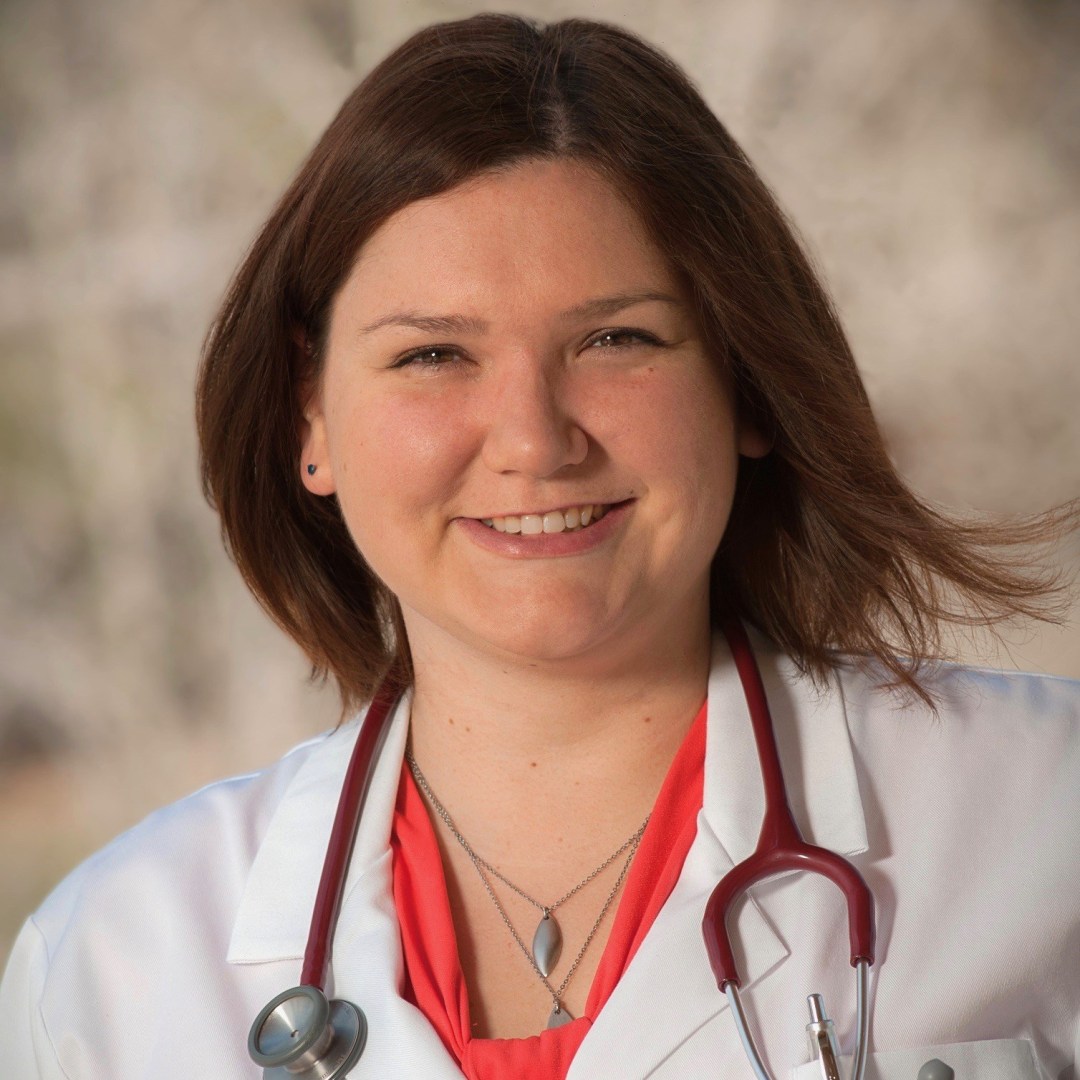
While my road to a career in research may be a bit unorthodox, it has only served to strengthen my commitment and enthusiasm to helping improve both human and animal lives.
My earliest publication looked at the potential immune tolerance induced in mice infected with mouse parvovirusin utero to determine if current methods of containing university vivarium outbreaks are sufficient. This work was critical in helping me appreciate how knowledge of laboratory animal models directly affected researchers’ ability to perform reproducible research.
After spending several years as a general practitioner of veterinary medicine, I remembered the love I had for solving biomedical puzzles and decided to return to academia. My graduate work with mouse models of human disease, 16S microbiome analysis, circadian rhythms, and the in vivo evolution of engineered probiotics demonstrates the many ways in which the microbiome is incredibly dynamic in response to changes in the host environment and how these responses can impact health.
Now in my postdoctoral research, I am expanding my microbiome skill set to include shotgun metagenomics and untargeted metabolomics analysis to better understand both compositional and functional changes in the gut environment. This collaboration has already yielded a new paper about the newly discovered huge diversity of bile acids, where I show the presence of bile acid-related proteins and transcripts widely distributed throughout the bodies of humans and mice. I am also learning how to use both unsupervised and supervised machine learning techniques to help with biological interpretations. I am especially interested in how we can use data from one or two species to predict or understand pathophysiology in a different species. The power in doing this is that core aspects of mammalian physiology will rely on the same mechanisms in multiple species. If I can find that signal in all the noise, it will allow me to recognize and connect new aspects of mammalian metabolism and physiology to the microbiome.
My current principal interests are to understand how diet and bile acids interact with host receptors to influence host health and metabolism. In additiona, I am interested to use known quirks in disease presentation or treatment of veterinary species to understand common core parts of mammalian physiology and lead to improvements in human health. My work aims to go beyond standard mouse models to utilize naturally occurring diseases in outbred populations that live in the same environment as humans.
Acknowledgements
This is the front page of a website that is powered by the academicpages template and hosted on GitHub pages. GitHub pages is a free service in which websites are built and hosted from code and data stored in a GitHub repository, automatically updating when a new commit is made to the respository. This template was forked from the Minimal Mistakes Jekyll Theme created by Michael Rose, and then extended to support the kinds of content that academics have: publications, talks, teaching, a portfolio, blog posts, and a dynamically-generated CV. You can fork this repository right now, modify the configuration and markdown files, add your own PDFs and other content, and have your own site for free, with no ads!